Understanding Historical Revisionism

Historical revisionism, a term that often attracts controversy and intrigue, finds itself at the heart of many discussions surrounding the interpretation of Canada's diverse political past. The act of re-examining historical accounts and narratives, and potentially altering them to include different perspectives, has emerged as an influential force in the broader framework of multiculturalism and political correctness.
The Debate Over Historical Narratives
Detractors and advocates of historical revisionism draw battle lines around the impact such changes implicate on society's collective memory. On one hand, revisionists argue that traditional historical narratives have marginalized or omitted the experiences of various groups and thus, must be modified to reflect a more inclusive and accurate account of the past. On the other hand, critics fear that revisionism could distort historical facts to suit contemporary agendas, perhaps at the expense of objectivity.
Historical Revisionism in Canadian Politics
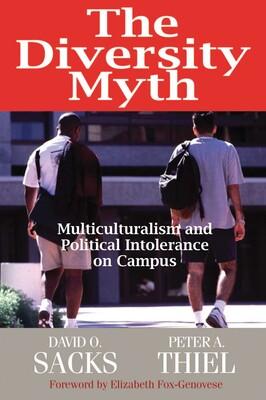
Within the political sphere of Canada, revisionism plays a prominent role in understanding the layers of policy, language, and culture that have shaped the country's current state. In particular, the evolution of policies and the political vocabulary necessitates a critical reflection on past events to foster a more nuanced understanding of modern Canadian society.
Revisiting Past Political Figures
The legacies of Canadian political figures are often re-evaluated with a revisionist lens, examining their achievements and failures through an updated moral and ethical framework. This practice is not merely academic; it has tangible effects on public commemorations, statues, and the naming of public spaces, reflecting contemporary values and beliefs.
Multiculturalism and Political Correctness

At the intersection of revisionism lies multiculturalism and political correctness, two pillars of contemporary Canadian society that demand the recognition and respect of diverse cultural backgrounds and sensitivities. The intricacies of historical revisionism directly impact these concepts, driving an ongoing conversation about the portrayal and acknowledgment of Canada's multifaceted heritage.
The Education of Future Generations
One cannot underestimate the significance of historical revisionism in educating future generations. The content taught in schools, the curriculum adopted, and even the textbooks produced are all subject to the scrutiny and influence of revisionism, framing a historical narrative for the coming ages that aligns with the prevailing notions of diversity and inclusivity.
A Perspective on Change
Despite the contested nature of historical revisionism, it is clear that the dialogue promotes an ongoing re-assessment of past events and figures, ensuring that Canadian history remains a living and breathing entity under constant examination.
Conclusion: The Cultural Tapestry and Travel
As we navigate evolving historical narratives, we find echoes of the past in how we explore the world today. Travelers seeking to immerse themselves in Canadian culture can witness history's re-examination reflected in the destinations they visit, from historic sites to murals in cosmopolitan cities. Hotels, as gateways to these experiences, play host to international guests eager to understand the rich tapestry that historical revisionism and contemporary policy weave together. The spirit of this dialogue follows Canadians and visitors alike, from the halls of Parliament to the quiet corridors of heritage inns, with every journey offering a deeper insight into Canada's ongoing story.
Laval
Montreal
- Honeyrose Hotel
- Hotel Birks
- Motel Ideal
- Hotel Labelle
- Best Western Plus Montreal Downtown-Hotel Europa
- Homewood Suites By Hilton Montreal Downtown
- Cheapest Hotels Montreal
- Dorval Airport Hotels
Mont-Tremblant
- Holiday Inn Mont Tremblant
- Homewood Suites By Hilton Mont-Tremblant Resort
- Microtel Inn & Suites By Wyndham Mont Tremblant